
Introduction
The word banshee instantly evokes a sense of mystery, fear, and fascination. Across centuries, this enigmatic figure has appeared in Irish and Celtic folklore as a harbinger of death, warning families of impending loss through her haunting wails. But beyond the chilling tales, the banshee embodies a rich cultural and symbolic history that continues to inspire literature, media, and modern storytelling. Understanding the banshee means exploring not just a spirit of doom, but a powerful symbol of human emotion, grief, and the unknown.
The banshee’s story is not confined to old myths alone. Over time, she has appeared in movies, TV series, comics, and music, each interpretation reflecting a unique blend of fear, reverence, and fascination. Her figure bridges the supernatural with human psychology, showing why her legend endures in both folklore and contemporary culture.
Quick Bio
| Attribute | Details |
|---|---|
| Name | Banshee |
| Origin | Irish and Celtic folklore |
| Meaning | Woman of the fairy mound / supernatural harbinger |
| Role | Harbinger of death, omen, wailing spirit |
| Appearance | Long flowing hair, traditional attire, ghostly presence |
| Modern Adaptations | TV series, comics, music, literature |
Origins and Etymology of the Banshee
The term banshee derives from the Irish bean sídhe, which translates to “woman of the fairy mound.” In Scottish Gaelic, the equivalent term is bean sìth. Both indicate a connection with the Otherworld, highlighting the spiritual and mystical origins of this figure. Ancient Celtic beliefs viewed banshees as messengers from the fairy world, sent to warn humans of impending death or tragedy within a family.
These spirits were thought to be tied to specific noble or ancient families, often appearing only to them. In many traditional accounts, the banshee’s appearance was marked by her pale, ethereal form, long hair, and flowing garments, signifying her otherworldly nature. Her keening or wailing was considered both mournful and prophetic, a sound that could chill the hearts of those who heard it. The etymology itself reflects not only language but also a cultural understanding of life, death, and the supernatural.
Folkloric Characteristics and Traits
The banshee possesses a combination of beauty and terror. She is usually depicted as a female spirit of extraordinary presence, capable of moving silently or producing piercing wails that forewarn a death. Some stories describe her as combing her hair while crying, a haunting image that underscores sorrow and the inevitability of fate.
Interestingly, the banshee does not cause death. Her role is predictive rather than malevolent, serving as a warning. Various tales describe families hearing her cry at night, often accompanied by the rustling of a door or wind, signaling that someone in the household will soon die. In some regions, she may appear as a young maiden, an old hag, or a grandmotherly figure, each form carrying its own symbolic weight. The banshee’s traits emphasize not only fear but also the human need to understand and cope with mortality.
Cultural Significance and Symbolism
The banshee represents more than a spectral figure; she embodies grief, loss, and the power of warning. In Celtic societies, she acted as a bridge between the living and the spiritual realm, allowing families to prepare for death and honor the cycle of life. Beyond death, she symbolized the emotional intensity of human life, the sorrow that accompanies loss, and the respect for ancestral heritage.
In literature and modern storytelling, the banshee often stands as a metaphor for fear, inevitability, and forewarning. Writers and filmmakers use her as a tool to explore psychological tension, mortality, and the unseen forces that influence human destiny. Her symbolic resonance ensures that, even centuries later, the banshee remains a compelling figure for authors, artists, and creators who seek to merge folklore with contemporary narratives.
Banshee in Modern Media
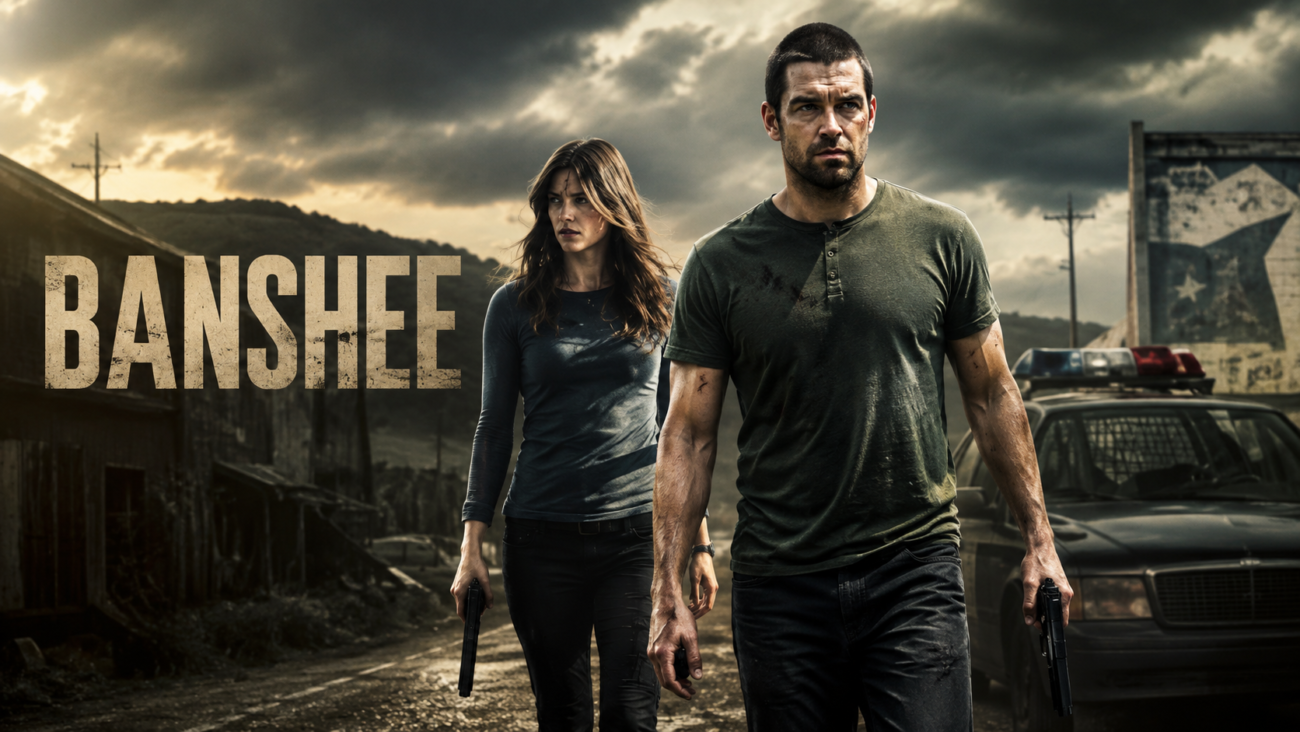
The banshee influence extends far beyond folklore. In television, the Cinemax series “Banshee” dramatizes the theme of identity, justice, and secrecy, using the name as a metaphor for hidden truths and shocking revelations. Similarly, Marvel Comics introduced Banshee (Sean Cassidy), an Irish mutant capable of producing sonic screams, blending folklore with superhero mythology.
Musically, the name has inspired bands and artists in genres such as heavy metal and trap metal, where the banshee symbolizes raw emotion, intensity, and an ethereal, almost supernatural energy. Across media, the banshee retains her core association with power, warning, and the supernatural, highlighting the enduring fascination with her myth.
Banshee as a Symbol of Human Emotion
The banshee cry can be interpreted as a manifestation of collective anxiety and the inevitability of death. Her mournful wails echo the human experience of grief and foreboding. For centuries, societies have externalized their fears through myth, and the banshee serves as a lens through which communities confront mortality.
Modern psychology suggests that tales like the banshee fulfill a cultural function, helping humans process fear and uncertainty. By personifying death in a recognizable form, the banshee allows both fear and reverence to coexist, making her more than just a ghost story but a cultural artifact representing humanity’s attempt to understand life’s finality.
Read More: Hazel Vorice McCord – The Inspiring Mother Behind Entertainment Legends
Conclusion
The banshee remains a captivating and powerful figure, bridging the gap between folklore, culture, and modern media. Her story reminds us that myths are not mere fiction—they are mirrors of human experience, emotion, and the eternal fascination with the unknown. From ancient Irish hills to contemporary TV screens and comic books, the banshee continues to haunt, warn, and inspire. She is a timeless emblem of death, sorrow, and the mystical power of storytelling, proving that some legends never fade—they evolve, adapt, and remain deeply ingrained in our collective imagination.
FAQ
Q1: What is a banshee?
A banshee is a female spirit in Irish and Celtic folklore whose wailing foretells the death of a family member. She is not evil but serves as a supernatural warning.
Q2: Where does the term “banshee” come from?
It originates from the Irish bean sídhe, meaning “woman of the fairy mound.” In Scottish Gaelic, it is bean sìth.
Q3: Does a banshee cause death?
No, the banshee predicts death but does not cause it. Her appearance or cries serve as a warning for the family.
Q4: How is a banshee depicted?
Typically, she is shown with long hair, flowing garments, and sometimes combing her hair while crying. Her form can appear young, old, or grandmotherly, depending on the legend.
Q5: How has the banshee influenced modern culture?
The banshee appears in television shows, comics, music, and literature, often symbolizing warning, supernatural power, and intense emotion.
